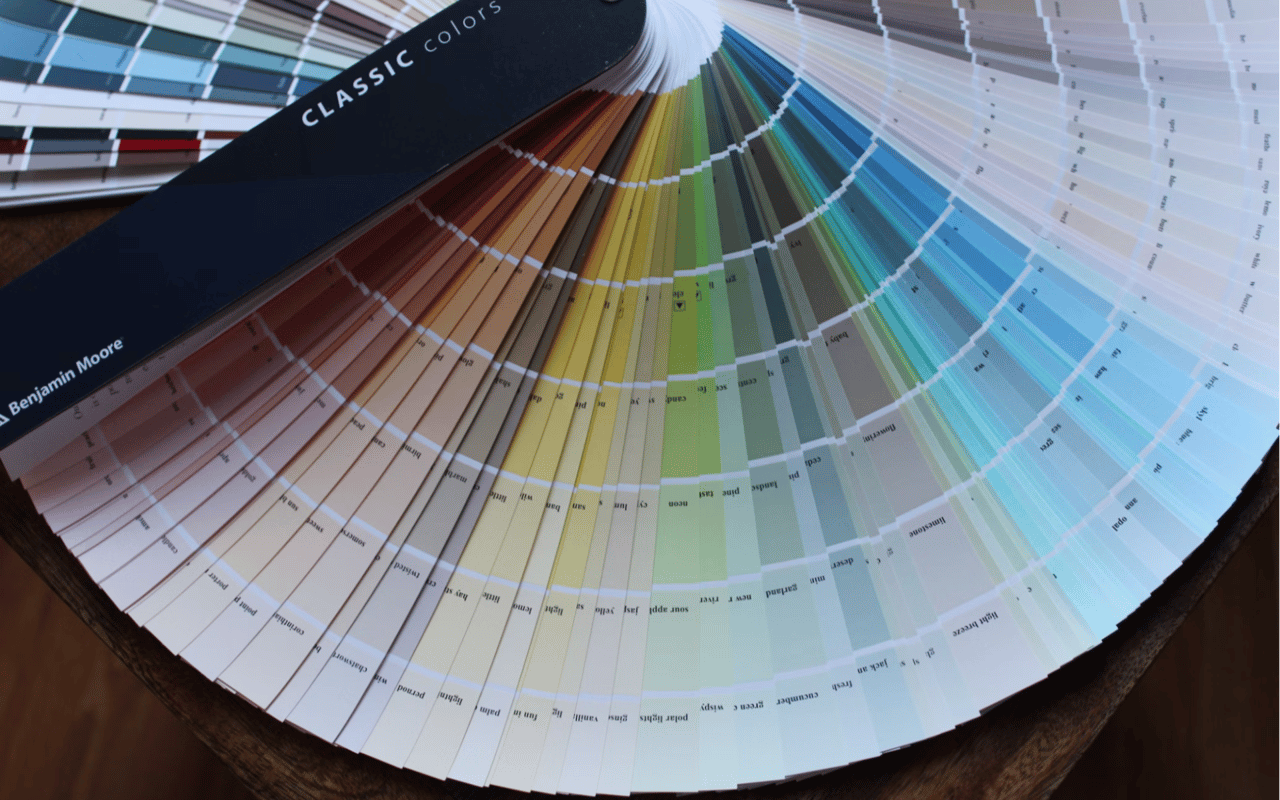
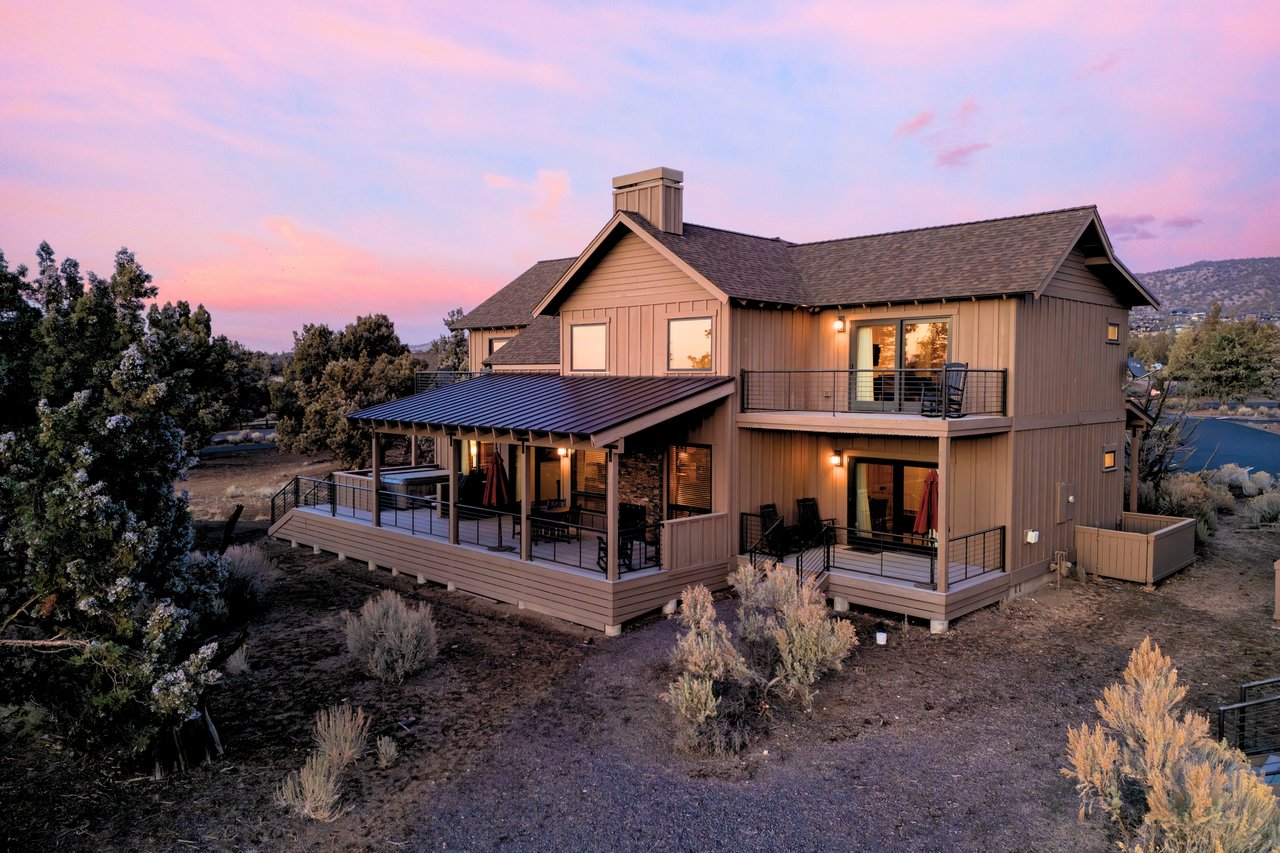
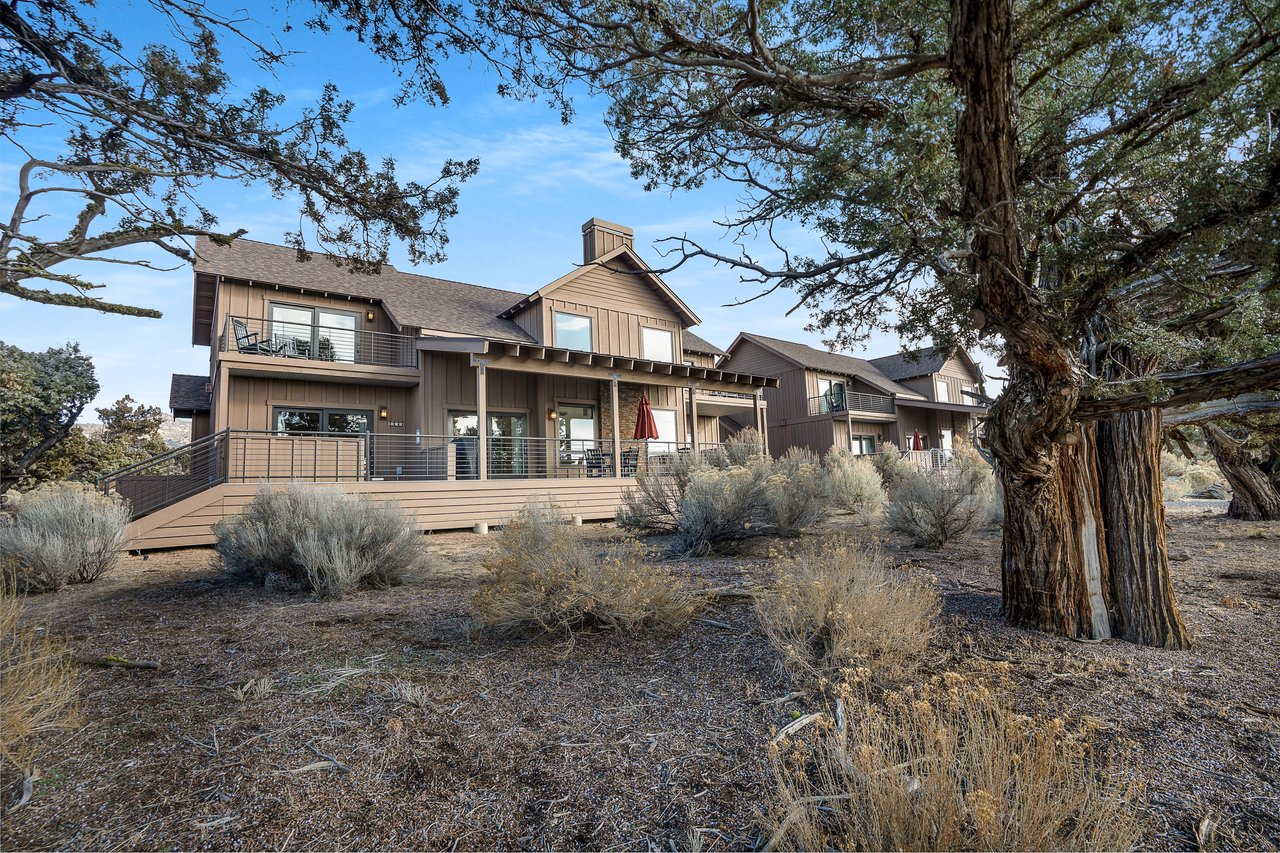
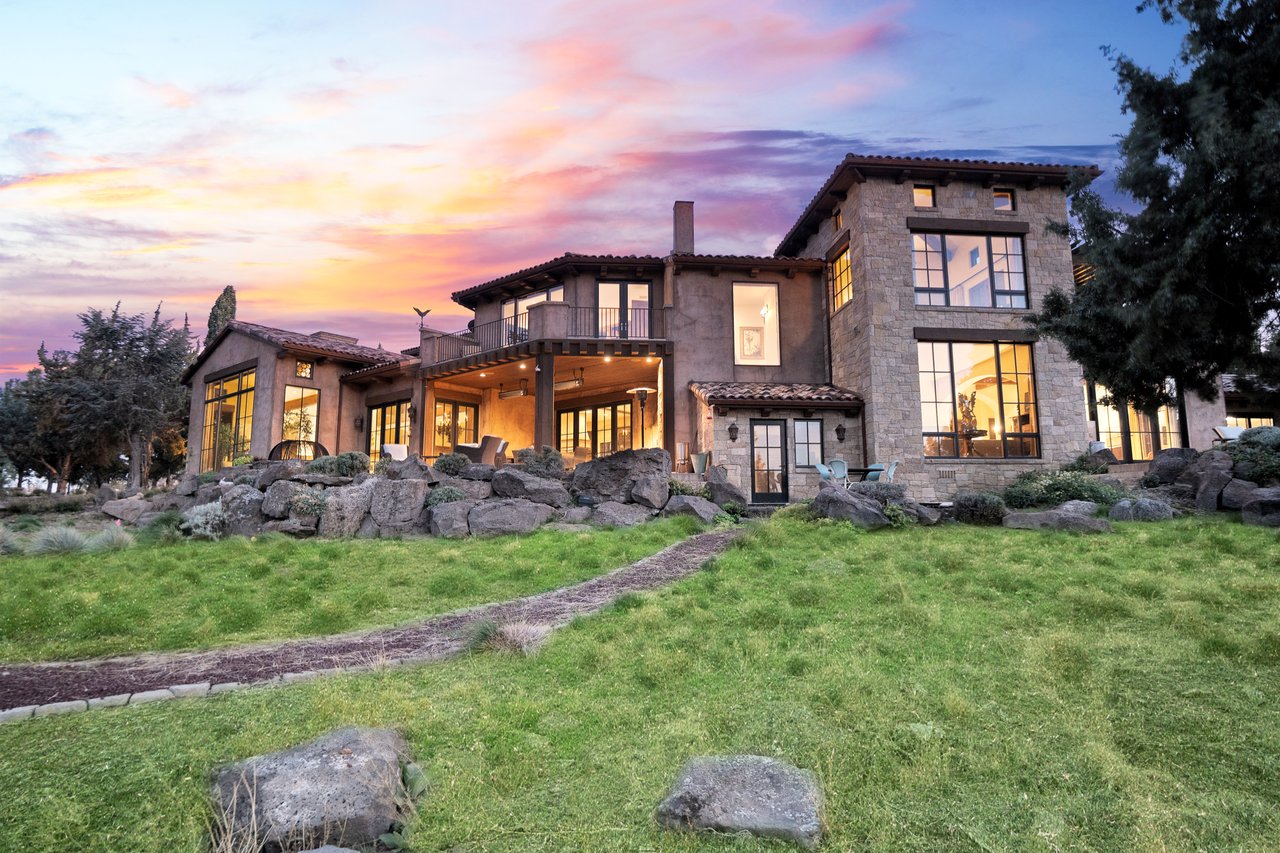
Every home tells a story, and color is one of the most powerful ways to shape that story. The right paint tones can make your home feel brighter, warmer, and more inviting — but finding the perfect palette takes more than picking a few shades from a swatch book. In Bend, OR, where the sunlight shifts dramatically between crisp mountain mornings and golden desert evenings, understanding the science behind color can completely transform how your home looks and feels.
Whether you’re repainting a single room or refreshing your entire space, choosing paint tones that work in harmony with Bend’s distinctive light and natural surroundings will elevate your home’s design. In this guide, you’ll discover how light interacts with pigment, how to use color psychology to set the right mood, and how to blend your palette seamlessly with Bend’s breathtaking scenery. The result? A home that feels effortlessly cohesive and deeply personal.
Understanding the Role of Light
When choosing paint tones for your home in Bend, start by studying how light behaves throughout the day. Bend’s high-desert climate, famous for its abundant sunshine, produces vivid light that can dramatically alter the way colors appear. Morning light feels cool and crisp, softening blues and grays, while afternoon light brings warmth that enhances earthy tones like caramel, sandstone, and terracotta.
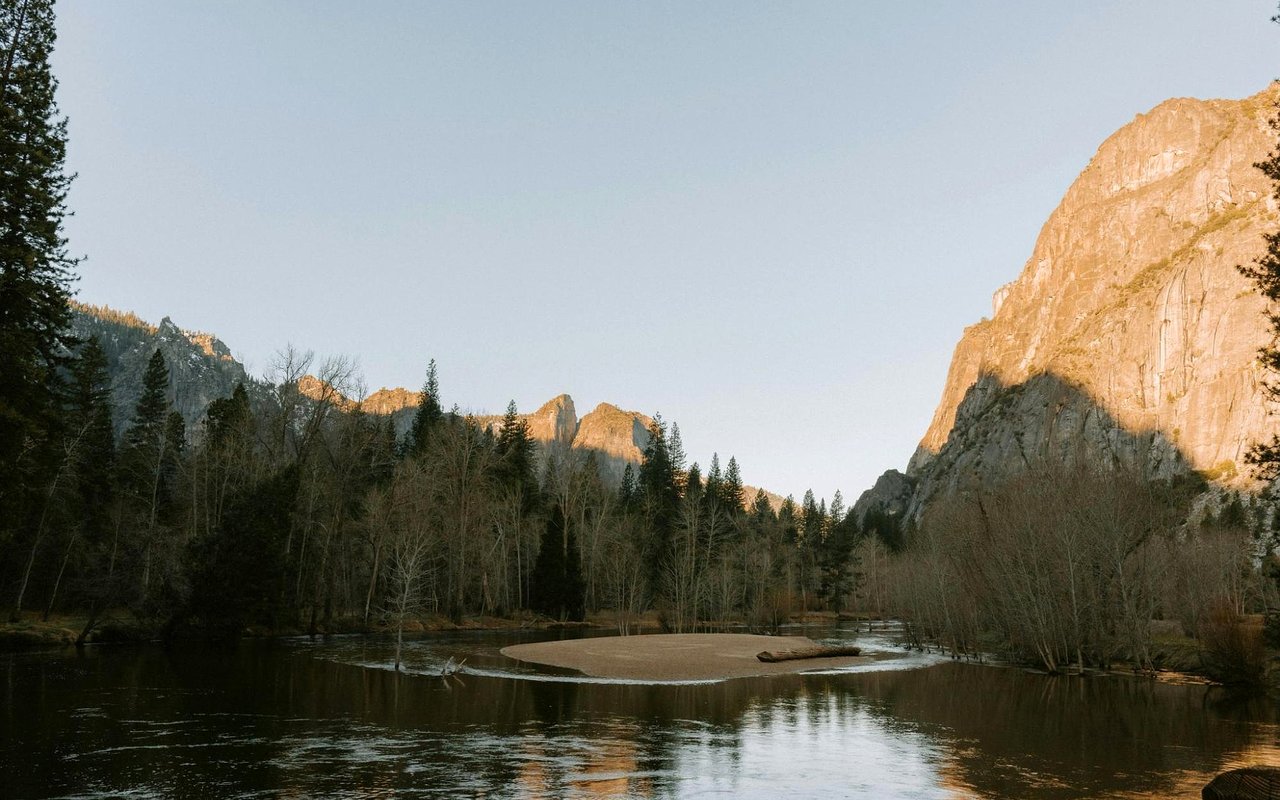
If your home enjoys mountain or river views, the surrounding colors will subtly influence your interiors. The soft greens of the pines, the golden hues of sagebrush, and the snowy white peaks of the Cascades all cast reflections that shift how paint tones read indoors. Choosing colors that echo these outdoor elements — like muted taupe, sage, or silvery blue — creates a harmonious flow between nature and home.
Artificial light matters as well. Warm bulbs can mellow cool hues, while daylight LEDs make tones appear brighter. Always test samples in several spots before making a decision; a shade that feels perfect at noon may appear completely different by dusk.
The Psychology of Color and How It Shapes Your Space
Color influences emotion, energy, and comfort in ways we often feel instinctively. By understanding the psychology behind each hue, you can create an atmosphere that reflects how you want to live. In Bend, where outdoor adventure meets easygoing tranquility, your color choices can mirror that same balance.
Soft neutrals — like creamy whites, sand tones, and greige — make a perfect backdrop for unwinding after a day on the trails. Shades of sage and blue evoke calmness, which is ideal for bedrooms or cozy reading corners. If you’re drawn to energy and depth, accent walls in rich tones, such as navy, cinnamon, or forest green, can add drama and warmth to open living spaces.
For a modern, airy aesthetic, bright whites with subtle undertones of gray or beige expand the sense of space. If you prefer something more grounded, try earthy shades inspired by Bend’s terrain: clay, ochre, or soft olive. They bring comfort and authenticity without feeling heavy.
Drawing Inspiration from Bend’s Natural Landscape
Bend’s scenery is nothing short of captivating, and it can be your best color guide. The region’s palette of desert tones, evergreen forests, and crystalline skies offers endless inspiration. When you bring those hues indoors, your home feels connected to its surroundings and effortlessly timeless.
Think about how the seasons transform Bend’s beauty. Winter brings silvers and cool blues; spring bursts with new greens; summer glows with amber sunlight; and autumn warms everything with rust, copper, and gold. Designing a color scheme that nods to these natural transitions ensures that your home stays visually in sync with its setting.
For modern architecture, neutral foundations with accent colors borrowed from the landscape create balance. Rustic or craftsman homes, on the other hand, shine in deeper tones like walnut, slate, or moss that emphasize natural textures and details.
Balancing Warm and Cool Tones for a Harmonious Home
Finding the right balance between warm and cool colors is key to creating spaces that feel both inviting and polished. Warm tones — reds, golds, and ochres — energize and add intimacy. Cool shades like blues, greens, and charcoals bring serenity and spaciousness. Mixing the two thoughtfully adds depth and sophistication. Try pairing a cool gray wall with warm wood furniture or bronze accents to strike the perfect balance. Or, complement a rich terracotta feature wall with neutral linens and off-white trim to tone down the intensity.
For open-concept homes, use gradual transitions between rooms. Instead of identical colors, opt for tones that share similar undertones so that each space feels connected without being repetitive.
How to Test, Sample, and Adjust Paint Choices
Even the most stunning shade can surprise you once it’s on the wall, as paint reacts differently under real-world conditions. To avoid disappointment, always test before you commit.
Paint large sample squares on several walls and watch them throughout the day. Notice how the morning light, afternoon brightness, and evening warmth affect the tone. A hue that feels cool in daylight might glow warmly under lamps at night.
When updating multiple rooms, purchase small sample quarts and compare them side by side. Subtle undertones can make a noticeable difference in how colors interact.
Complementing Your Home’s Materials and Style
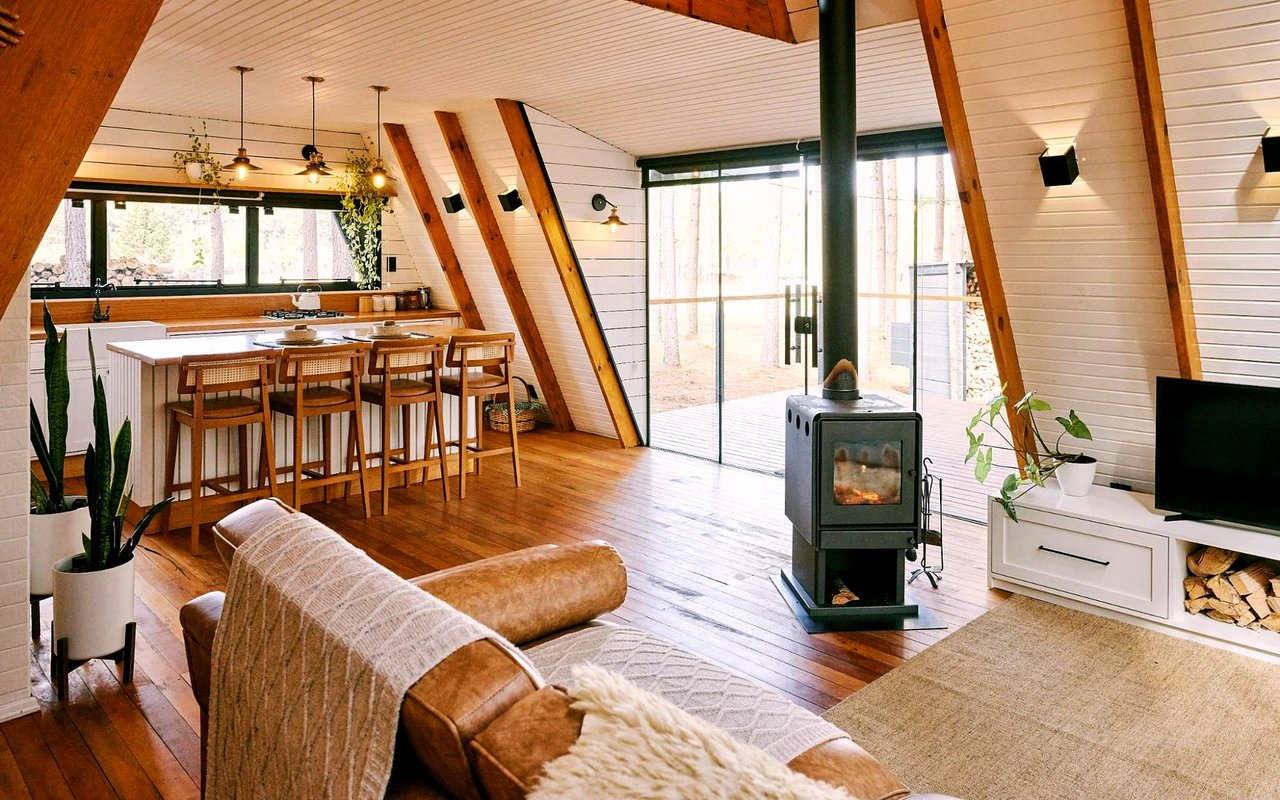
Every home has its own personality, shaped by its materials and structure. Paint color should enhance, not compete with, those features. If your home includes wood beams, stone fireplaces, or tile flooring, let those textures influence your choices.
Earthy neutrals with warm undertones beautifully highlight natural wood or stone. In contrast, cool grays and soft whites can soften the industrial edge of metal or concrete details. Traditional or craftsman-style homes benefit from heritage colors like navy, oxblood, or moss green that highlight depth.
Trim, ceilings, and accent finishes also deserve attention. Crisp white trim can frame walls dramatically, while softer neutrals blur the lines for a relaxed feel. Painting ceilings just a shade lighter than the walls can subtly pull everything together.
Adding Personality Through Color
Once you’ve mastered the science, it’s time to infuse your style. Paint is one of the easiest ways to express individuality. Accent walls, colored cabinetry, or painted ceilings can inject vibrancy and dimension.
A smoky teal backdrop behind open shelving, for instance, can make artwork or decor stand out. A deep indigo wall in a bedroom can transform it into a tranquil retreat. Even subtle tonal variations — like a slightly darker trim or matte finish — can elevate your design without overpowering it.
Don’t be afraid to experiment with finishes. Matte paints absorb light for a soft, modern aesthetic, while satin or semi-gloss finishes reflect light and emphasize architectural details.
A Palette That Reflects Your Bend Lifestyle
Choosing paint tones for your Bend home is more than a design project; it’s a creative journey of science, artistry, and personal expression. By understanding how light interacts with color, how tones shape emotion, and how your surroundings influence perception, you’ll create spaces that feel both timeless and deeply your own.
Ultimately, color is more than decoration; it’s a reflection of your lifestyle, your environment, and your sense of place in this stunning Oregon city. If you’re hoping to find the perfect match or striving for a winning home sale in Bend,
The Ladd Group is by your side. Reach out today.