The age of a home is one of the most influential factors in determining its market value, yet many buyers and sellers overlook the complexity behind this relationship. From architectural character and construction quality to maintenance, updates, and neighborhood development, a home’s age weaves a detailed story that directly influences pricing. Understanding how home age affects market value allows homeowners to position their property competitively and buyers to make informed decisions rooted in long-term potential and financial clarity.
What Home Age Really Indicates
A home’s age is more than a number — it offers insight into structural integrity, style, and the level of modernization present. While newer homes typically feature contemporary layouts, efficient systems, and modern materials, older homes often appeal to buyers through charm, craftsmanship, and established neighborhood settings. Each of these characteristics holds its own form of value.
Buyers who prioritize efficiency may gravitate toward newer construction, where components such as roofing, insulation, electrical systems, and HVAC units have more years of function ahead. Meanwhile, buyers drawn to architectural character or historic charm may see greater value in older homes, especially when they have been well maintained. Understanding how home age affects market value starts with recognizing what different eras of construction naturally offer.
The Benefits of Newer Homes
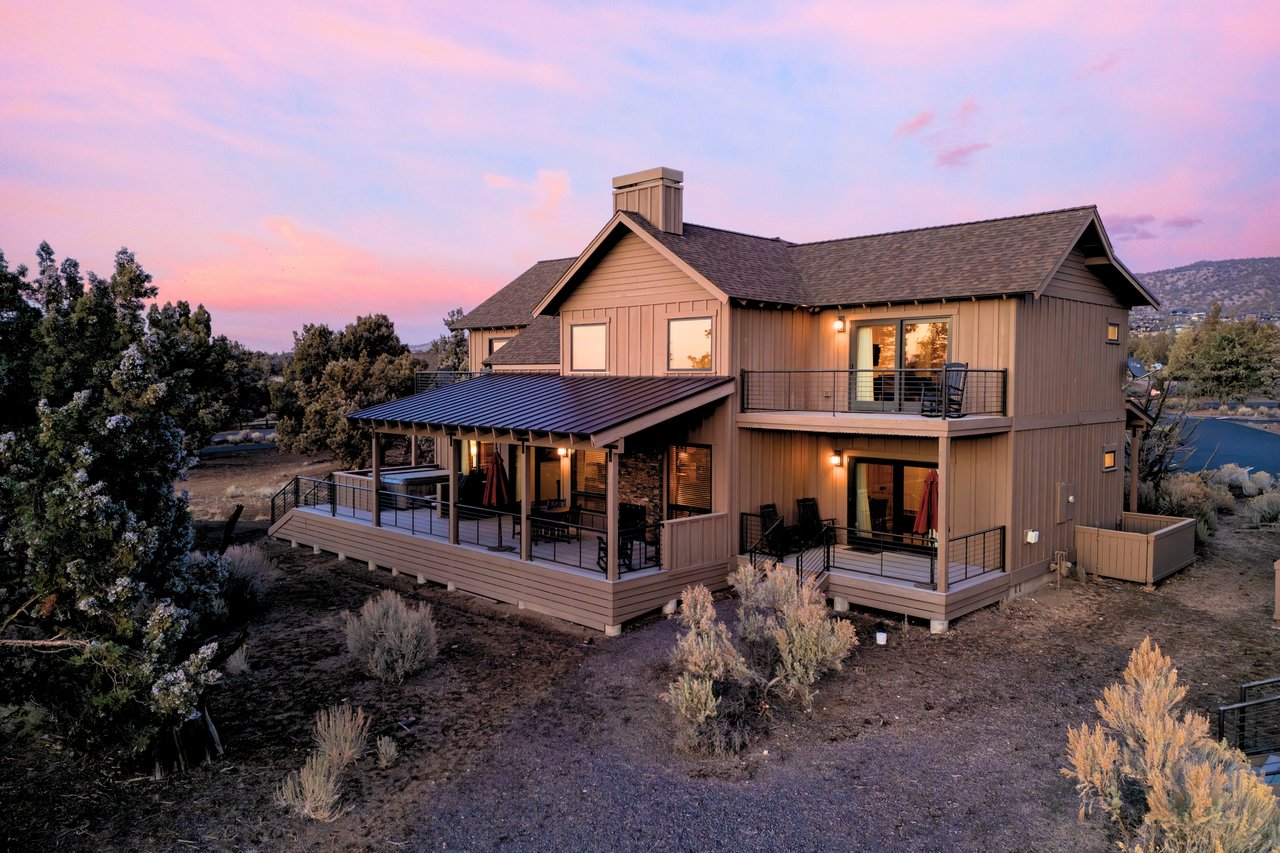
Newer homes — those built within the last 10 to 20 years — often attract buyers seeking convenience, efficiency, and minimal upfront maintenance. These properties typically include up-to-date building materials, energy-efficient features, open floor plans, and modern appliances. For many buyers, the reduced likelihood of expensive repairs is a significant advantage.
Insurance costs may also be lower on newer homes due to updated safety standards and reduced risk of system failures. Additionally, newer communities often offer amenities such as parks, green spaces, and enhanced infrastructure. These factors collectively support a higher market value, as buyers see the benefit of purchasing a property that is ready for immediate and long-term comfort.
The Allure and Value of Older Homes
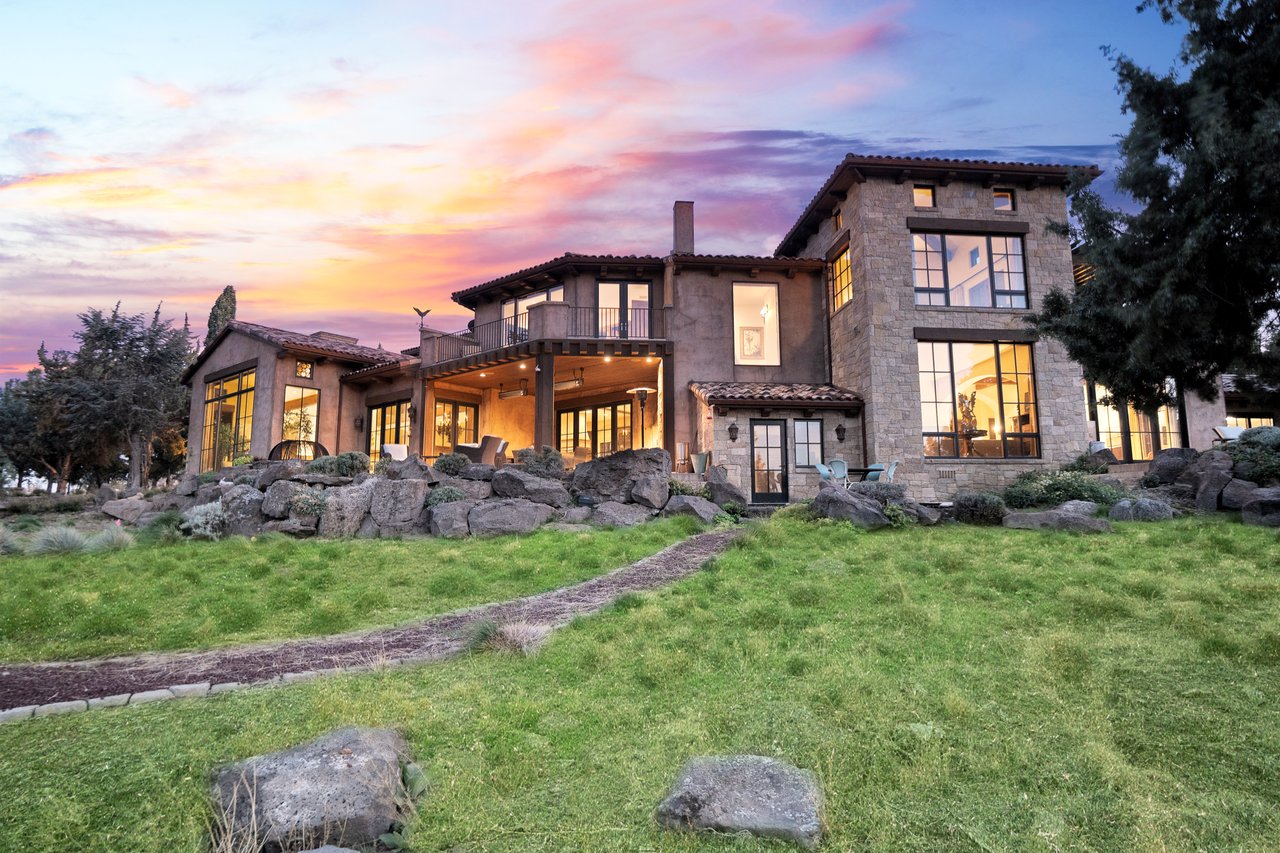
Older homes hold enduring appeal for many reasons. Historic architecture, detailed craftsmanship, and mature landscaping are often elements not found in newer construction. These homes may be situated in long-established neighborhoods with larger lot sizes, tree-lined streets, and walkable amenities.
However, the value of older homes varies widely depending on maintenance and updates. When well preserved and thoughtfully modernized, older homes can compete strongly in the market. Buyers appreciate the balance of charm and contemporary improvements, leading to competitive pricing and strong demand. Understanding how home age affects market value within the older-home category requires examining how well the property has been cared for over time.
The Role of Updates and Renovations
One of the most important factors influencing the value of any home — regardless of age — is the extent of updates and renovations. An older home with a new roof, updated plumbing, modern electrical systems, and refreshed interior spaces may perform just as well as, if not better than, a newer property lacking upgrades.
Buyers often weigh the cost of future repairs when evaluating a home’s price. A property with outdated systems may be perceived as less valuable due to the potential expenses associated with bringing it up to current standards. On the other hand, even a decades-old property with substantial improvements can command a strong price point, as the buyer sees reduced risk and long-term appeal.
This dynamic is central to understanding how home age affects market value because age alone does not dictate price — the condition and modernization of the home play equally critical roles.
Neighborhood Development and Historical Value
The neighborhood surrounding a home also influences how age correlates with market value. In some areas, historic homes are highly sought after, creating strong demand and competitive pricing. Cities and towns with established historic districts often place a premium on homes that have retained their original character while meeting modern expectations.
In contrast, suburban developments with newer construction may appeal to buyers valuing consistency, predictability, and modern amenities. In these communities, older homes may not command the same price as newer ones, unless they offer unique features or have undergone recent, desirable renovations.
Understanding the local market context is essential. Home age interacts with neighborhood development trends in ways that can significantly influence pricing and buyer interest.
Perception of Value Among Buyers
Buyer psychology plays an important role in evaluating home age. Some buyers believe newer is always better, while others view older homes as more durable and unique. These perceptions influence market value because demand drives pricing.
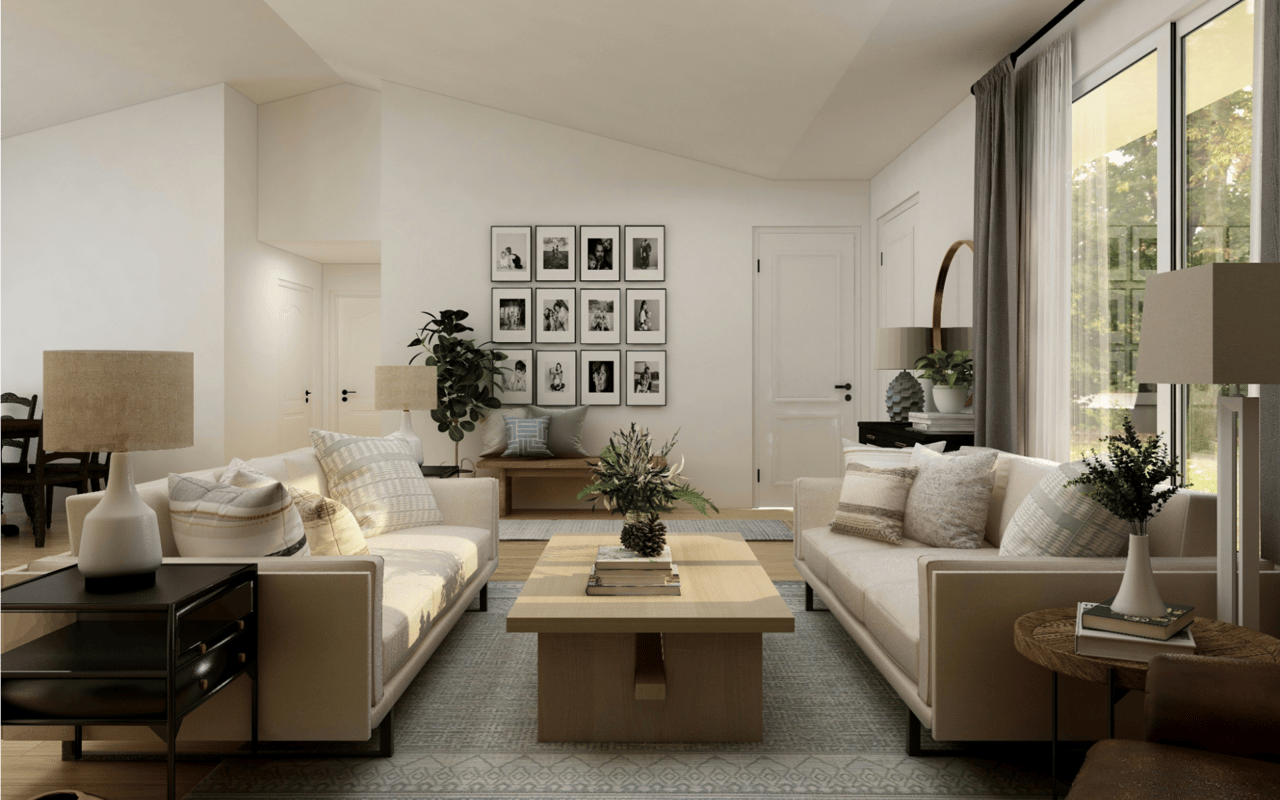
Marketing, professional photography, staging, and clear communication about updates can help sellers frame their home’s age as an asset rather than a liability. When a property’s best qualities are highlighted and potential concerns addressed proactively, age becomes only one part of the story — not the entire narrative.
Long-Term Value Considerations
When buyers evaluate future resale potential, age continues to play a role. A home that is already older but well maintained may maintain steady value over time, especially if located in a desirable, stable neighborhood. A newer home may depreciate slightly as it transitions from “new construction” status, but it may also offer predictable upkeep costs and strong appeal in future resale cycles.
Understanding long-term value helps buyers choose properties that suit both their current lifestyle and their financial goals. Sellers benefit from recognizing how their home’s age positions them within the broader market landscape.
Home age is a meaningful factor in determining market value, but it is far from the only consideration. Condition, updates, neighborhood trends, buyer preferences, and long-term performance all intersect to shape a home’s true worth. Whether a property is newly built or decades old, its value depends on how the various elements work together to appeal to the modern buyer.
For personalized insight or guidance specific to your property or search, potential clients are encouraged to reach out to
The Ladd Group. Their team is ready to help you navigate today’s market with clarity and confidence.